Sleeping with ear plugs: Is it safe, and which type should you choose?

Author thumbnail Kirsten Ellis  |  Published 10 February 2026  | Updated 20 August 2026  | 4 mins read

Intro image

Struggling to sleep because of noises around you? Some people wear ear plugs for sleep every night, perhaps because of a partner’s snoring or a busy household. For others, it’s more occasional, saved for holidays or camping trips. Whatever the reason, if noise is getting between you and a good night’s sleep, ear plugs might be worth trying, but it’s worth knowing whether they’re actually safe to sleep in, and which type is right for you.

Why hearing protection matters, day and night

Your ears are also more delicate than most people realise. Inside your inner ear are around 16,000 tiny hair cells that pick up sound and send it to your brain. Once these are damaged, they can’t grow back, which is why it’s so important to protect your ears from noise louder than 85 decibels for long periods.

A woman sleeping in her bed.

If you spend time in noisy environments, whether that’s at work, out and about, or even at home, ear plugs are one of the simplest ways to protect your hearing for the future. Knowing when to reach for them can help protect you from noise-induced hearing loss, and reduce your risk of tinnitus too.

At night, hearing protection can also help you sleep more soundly by softening disruptive noise. We’ve covered exactly how that works in Ear plugs for sleep: how they can improve your sleep quality.

Is it safe to sleep with ear plugs in?

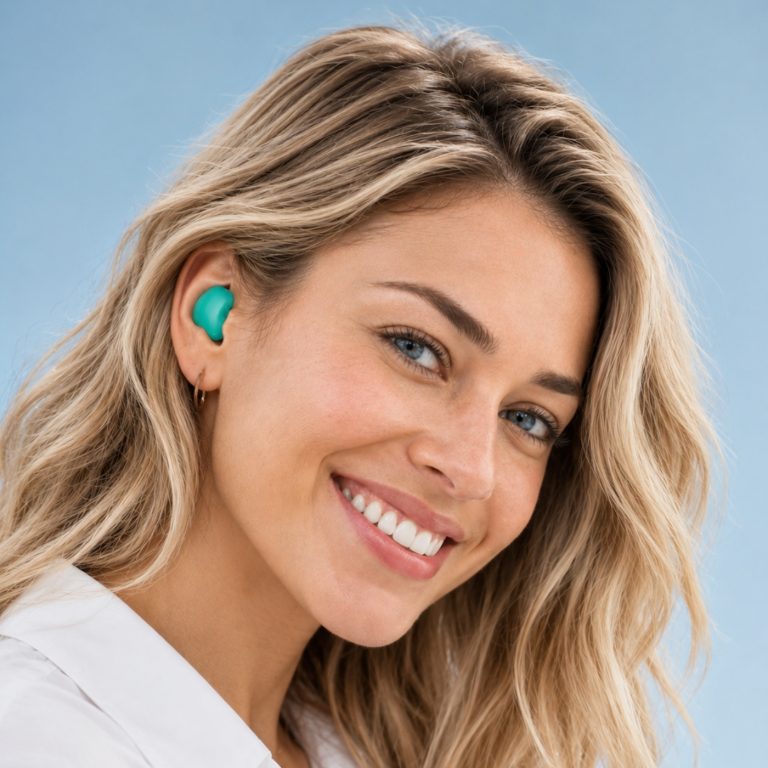
Yes, sleeping with ear plugs is generally safe, as long as they fit properly and you take good care of them. If you think you’ll want to use them regularly, custom-fit ear plugs are worth considering. They’re shaped specifically to your ears, which may reduce irritation from poorly fitting ear plugs and make long-term use more comfortable.

A few simple habits will help keep things comfortable and safe:

  • Keep them clean. Dirty or reused ear plugs can increase your risk of ear infections.
  • Insert them gently. Avoid pushing ear plugs deep into your ear canal, this can cause irritation or injury.
  • Keep an eye on earwax. Wearing ear plugs often can sometimes push wax further into the ear canal, leading to a blockage.
  • Stop if it hurts. Ear plugs should feel snug, never painful. If you notice ongoing discomfort, itching, or discharge, it’s worth getting checked by a hearing care professional.

If you’re planning to wear ear plugs every night, it’s worth building in a few good habits: replace disposable ear plugs regularly, clean reusable ones as directed, and book in for a check if you notice reduced hearing, blocked ears, or infections that keep coming back.

Choosing the best ear plugs for sleep

promotional image

Soft Foam Ear Plugs

Best for: Most sleepers

Foam ear plugs are an easy starting point. They’re inexpensive, widely available, and offer excellent noise reduction, ideal for softening snoring and background noise. The trade-off is that they’re disposable, so need replacing regularly, and some people find them a little bulky.

promotional image

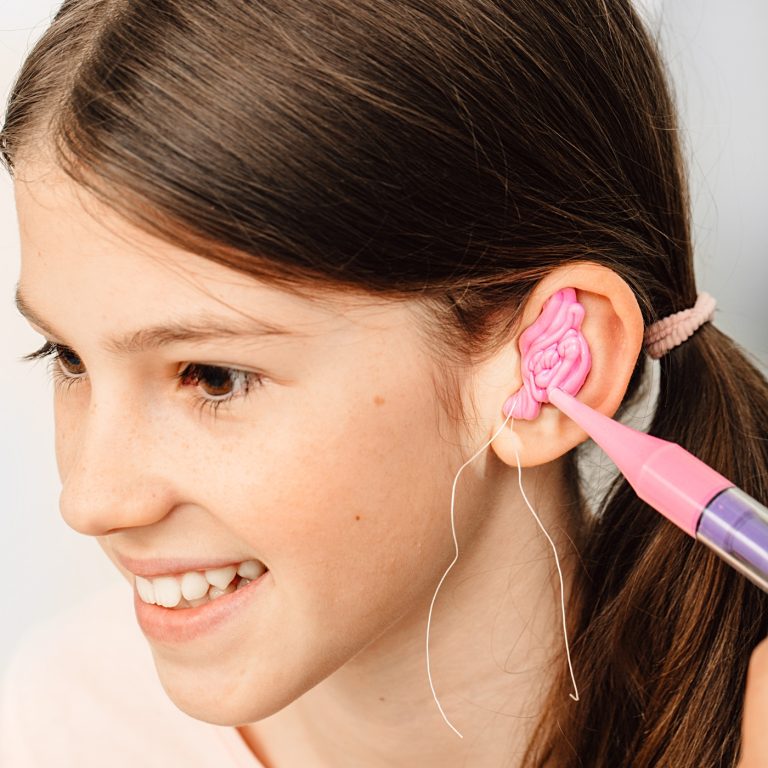
Silicone Putty Ear Plugs

Best for: Light sleepers and side sleepers

Rather than sitting inside the ear canal, these mould around the outer ear, which many people find more comfortable, especially if you sleep on your side. They’re often effective for reducing moderate levels of noise, although many foam ear plugs provide higher noise reduction ratings when fitted correctly.

promotional image

Custom-Moulded Sleep Ear Plugs

Best for: Regular or long-term use

Made specifically for your ears by one of our audiologists, custom-moulded ear plugs offer the best comfort and fit, and they’re built to last. They cost more upfront, but for regular or nightly use, many people find them worth the investment.

There’s no single “best” option, comfort matters just as much as noise reduction. The right ear plugs are simply the ones you can wear comfortably all night. Whether it’s snoring, traffic, or noisy neighbours keeping you up, a well-fitted pair can make a real difference to your sleep quality. Beyond comfort, it’s also worth thinking about your budget and how often you’ll use them.

Find out more on our dedicated ear plugs for sleeping page.

Our recommendation

If you’re trying ear plugs for sleep for the first time, soft foam ear plugs are a good place to start, they’re affordable, effective, and come in a range of sizes to suit different ears. If comfort is more of a challenge, particularly if you sleep on your side, it’s worth trying silicone putty ear plugs or speaking to us about a custom-moulded option.

If you currently have an ear infection, significant ear pain, a perforated eardrum, or recent ear surgery, speak to a healthcare professional before using ear plugs overnight.

If you rely on hearing alarms, smoke detectors, a baby monitor, or emergency calls at night, choose ear plugs with an appropriate level of attenuation and ensure other alert systems remain effective.
Book your hearing protection consultation

If you’d like personalised advice on choosing the right ear plugs, or want to explore other types of ear protection, our friendly team of audiologists is here to help, and always happy to answer your questions. You’re also welcome to view our full range of hearing protection in-store.