Noise-induced Hearing loss

Laura James, Professional Services Manager and Hearing Aid Dispenser at The Hearing Care Partnership. Laura James  |  Published 11 December 2025  | Updated 03 March 2026  | 6 mins read

A young woman listening to music through headphones.

Next to age-related hearing loss, noise-induced hearing loss (NIHL) is the second most common type of sensorineural hearing loss. It happens when the ear is exposed to harmful levels of noise, either from a sudden loud sound or from repeated exposure over time.

Noise-induced hearing loss can affect people of any age. In some cases it may be temporary, but it can also become permanent if the inner ear is damaged.

Read on to learn more about noise-induced hearing loss and how to protect your hearing.

What is Noise-Induced Hearing Loss (NIHL)?

Noise-induced hearing loss (often referred to as NIHL) occurs when loud sounds damage the delicate structures inside your inner ear.

Most everyday sounds are at a safe level. However, there are times when noise becomes too loud or lasts for too long, for example explosions, power tools, heavy machinery or loud music. Exposure to these types of sounds can damage the inner ear and lead to NIHL.

Depending on the type and level of noise exposure, hearing loss may be temporary or permanent. The positive news is that, unlike many other types of hearing loss, noise-induced hearing loss is often preventable.

What Causes Noise-Induced Hearing Loss?

The extent of hearing loss caused by NIHL usually depends on the type of noise exposure. Broadly, there are two main ways noise can damage hearing.

Sudden, Extremely Loud Noises

Also known as acoustic trauma, a single very loud event can cause immediate damage to the inner ear.

Sounds around 120 decibels or above, such as explosions, gunshots or fireworks, can damage hearing instantly. In these cases, hearing loss can occur suddenly and may be permanent.

Prolonged Exposure to Loud Sounds

This form of NIHL develops gradually and is sometimes referred to as chronic noise exposure.

It occurs when someone is exposed to loud sounds repeatedly over time. The effects may build up slowly, meaning symptoms may not become noticeable for months or even years.

Occupational vs. Recreational Noise

Both workplaces and leisure activities can expose people to potentially harmful noise levels if hearing protection is not used.

Jobs involving construction equipment, aircraft (such as airport ground crew) or dental equipment may expose people to sounds above 85 decibels, which can increase the risk of NIHL over time. Learn more about where you might need ear defenders.

Recreational activities can also contribute. Regularly attending loud concerts or listening to music at high volumes through headphones can gradually damage hearing. Learn how to listen music safely.
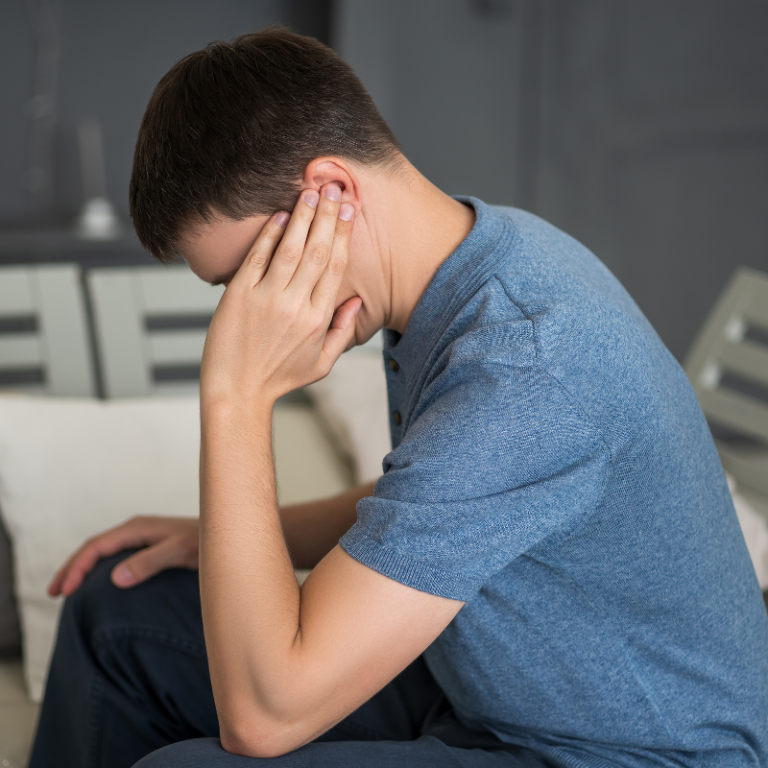
Man with earache, ear pain at home.

Symptoms of Noise-Induced Hearing Loss

There are several signs that may suggest noise-induced hearing loss. Depending on the cause, symptoms may appear suddenly or develop gradually.

Common symptoms include:

  • Feeling of fullness or pressure in the ear.
  • Tinnitus (Ringing in the ears) – a common sign of hearing loss.
  • Difficulty hearing conversations – especially in noisy environments. 
  • Inability to hear high-pitched sounds such as birds singing or alarms.
  • Hearing speech is muffled or distorted.

If you notice any of these symptoms, it may be worth arranging a hearing assessment.

How to Prevent Noise-Induced Hearing Loss

Unlike some other types of hearing loss, NIHL is often preventable with a few simple precautions.

Use of Hearing Protection

If you spend time in noisy environments, wearing hearing protection such as ear defenders or earplugs can significantly reduce the risk of hearing damage.

These can be particularly useful when working with loud machinery or attending concerts, festivals or sporting events.

Limit Exposure to Loud Environments

Where possible, try to limit the amount of time you spend in environments louder than 85 decibels without hearing protection.

When listening to music through headphones or earbuds, keeping the volume at a moderate level and taking regular listening breaks can help protect your hearing.

Regular Hearing Check-ups

Regular hearing check-ups can help identify changes in your hearing early.

At The Hearing Care Partnership, we offer free hearing assessments, so if it has been a while since your last hearing test, it may be a good time to book an appointment.

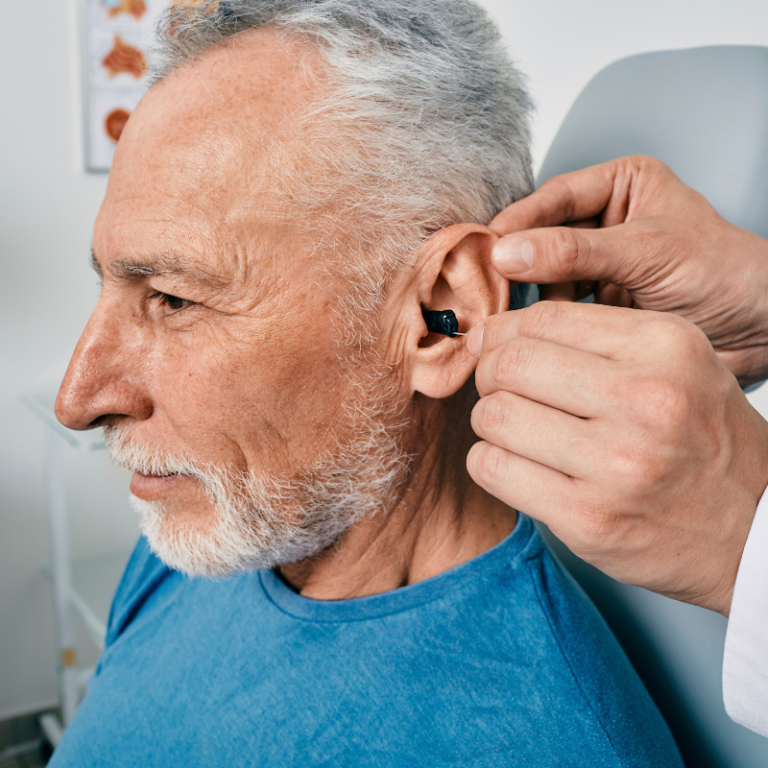
Close-up of an audiologist's hands fitting a hearing aid into a patient's ear.

Treatment Options for NIHL

In some cases, hearing may recover naturally after short-term noise exposure. However, if the damage is permanent, there are several ways hearing can be supported and managed.

Hearing Aids

Hearing aids are the most common treatment for noise-induced hearing loss. These small devices come in a range of styles and sizes and work by amplifying sounds and delivering them clearly into the ear.

Cochlear Implants

For people with more severe hearing loss, cochlear implants may be recommended. These devices are surgically fitted and work by sending sound signals directly to the hearing nerve.

Managing Tinnitus

Tinnitus is a common symptom associated with hearing loss. It may present as ringing, buzzing or rushing sounds in the ears and can sometimes affect daily life.

If you are experiencing tinnitus, a hearing assessment can help determine the cause and provide guidance on treatment options and coping strategies.

Risk Factors for Noise-Induced Hearing Loss

Anyone can develop NIHL, but certain factors may increase the risk.

The good news is that protecting your hearing does not mean missing out on the things you enjoy, it simply means taking a few sensible precautions when noise levels are high.

High-risk occupations
Some professions involve frequent exposure to loud noise. These can include bartenders, airport ground crew, helicopter pilots, musicians, dentists and construction workers. In many workplaces, employers provide hearing protection to help reduce the risk.

Age and susceptibility
As we age, the structures within the inner ear can become more vulnerable to noise damage.

Personal listening habits
Listening to music through earbuds or headphones at high volumes for extended periods can increase the risk of NIHL. Keeping the volume at a comfortable level and limiting listening time can help protect your hearing.

Conclusion

Noise-induced hearing loss is one of the most common forms of hearing loss and can affect anyone exposed to loud sounds.

It may develop gradually over time or occur suddenly after a very loud noise. While the effects can sometimes be permanent, the positive news is that NIHL is largely preventable.

Using hearing protection in noisy environments and attending regular hearing assessments can help protect your hearing for the future.

If you think you or a loved one may be experiencing hearing loss, book a free hearing assessment with The Hearing Care Partnership to get expert advice and support.