
How to look after your hearing health during hot weather

Published 09 July 2026  | Updated 09 July 2026  | 8 mins read

Woman driking water from a bottle by the beach.

Heatwaves are becoming an increasingly familiar part of British summers, bringing prolonged periods of high temperatures that can affect more than just your comfort. While hot weather doesn’t usually impact your hearing directly, it can influence your overall ear health and how well your hearing aids perform.

During a heatwave, your body works harder to stay cool. You’re likely to sweat more, spend longer outdoors, swim more often and attend festivals, sporting events or other noisy activities. These seasonal habits can increase the risk of dehydration, moisture affecting your hearing aids, temporary ear discomfort and greater exposure to loud sounds.

The good news is that a few simple steps can help keep your ears healthy all summer long.

Dehydration, tinnitus and the inner ear

One of the biggest risks during a heatwave is dehydration. Staying well hydrated is important for your overall health, including the health of your ears.

If you live with tinnitus, you may notice that symptoms such as ringing, buzzing or humming can feel more noticeable at times when you’re tired, stressed, dehydrated or not sleeping well. While dehydration doesn’t cause tinnitus, some research suggests it may make existing symptoms feel worse for some people. [1]

Dehydration can make people feel generally unwell, fatigued or light-headed, which may in turn make existing tinnitus symptoms more noticeable.

loss-of-balanced

Your inner ear, which plays a key role in both hearing and balance, relies on your body being well hydrated to function properly. When you’re dehydrated, you may notice symptoms such as a temporary increase in tinnitus, muffled hearing or dizziness. 

The good news is that staying hydrated is a simple way to support your ear health, particularly during hot weather. Aim to drink water regularly throughout the day, especially if you’re spending time outdoors, exercising or sweating more than usual. 

If you’ve noticed persistent changes in your hearing or tinnitus, don’t ignore them. Booking a FREE hearing test can help identify any underlying hearing changes and provide personalised advice on managing your symptoms.

Top tip: Don’t wait until you feel thirsty. Drinking little and often throughout a heatwave can help you stay hydrated and support your overall hearing and ear health.

Swimming and ear infections

Swimming is one of the best ways to cool down during a heatwave. It is also a fun and enjoyable activity to do in summer for most people. Occasionally, spending more time in the water can lead to ear problems, particularly if water becomes trapped, the ear canal becomes irritated, or there is repeated exposure.

Whether you’re swimming in the sea, a pool or your local lido, small amounts of water can sometimes remain in the ear canal. Combined with warm weather and humidity, this creates the ideal environment for bacteria to grow, increasing the risk of an outer ear infection, commonly known as swimmer’s ear.

Group of teenagers playing and splashing in the sea, embracing a joyful summer day by the beach.

Common symptoms of swimmer’s ear include:

The good news is that swimmer’s ear is often preventable. After swimming, gently dry the outside of your ears with a towel and allow any trapped water to drain naturally by tilting your head to each side.

Top tip: Avoid using cotton buds to dry your ears. They can irritate the delicate skin inside the ear canal, push ear wax deeper into the ear and increase the risk of trapped water, blockages and infection.

Hot weather and ear wax

Hot weather doesn’t cause your ears to produce more ear wax, but sweating, humidity, swimming, and the use of earplugs, earbuds or hearing aids can make existing wax feel more noticeable for some people. In some cases, this may contribute to a build-up of ear wax or a blockage.

If ear wax blocks the ear canal, you may experience:

  • Muffled hearing
  • A feeling of blocked or full ears
  • Ringing or buzzing in the ears (tinnitus)
  • Mild dizziness or imbalance
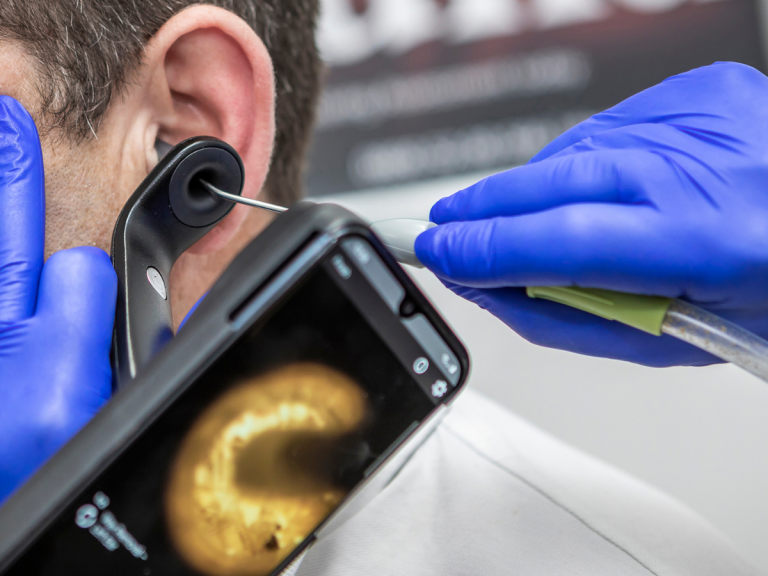
A patient having ear wax removal appointment.

If you think ear wax is affecting your hearing, it’s best to have it assessed by a hearing care professional. Avoid trying to remove ear wax yourself using cotton buds, ear candles or other objects, as these can push the wax deeper into the ear and increase the risk of damage or infection.

If ear wax removal is recommended, you may be advised to use olive oil or ear wax-softening drops for a few days before your appointment. This helps soften the wax, making it easier and more comfortable to remove.

Top tip: If the blocked feeling does not settle, or if you have pain or reduced hearing, it’s worth getting your ears checked. A professional ear examination can determine whether ear wax is the cause and whether it needs removing.

Looking after your hearing aids during a heatwave

Modern hearing aids are designed to cope with everyday life, but excessive heat, humidity and perspiration can all affect their performance if they’re not looked after properly.

During a heatwave, moisture from sweat and prolonged exposure to high temperatures can build up inside your hearing aids, potentially affecting sound quality, battery life and long-term reliability. Taking a few simple precautions can help keep your hearing aids working at their best throughout the summer.

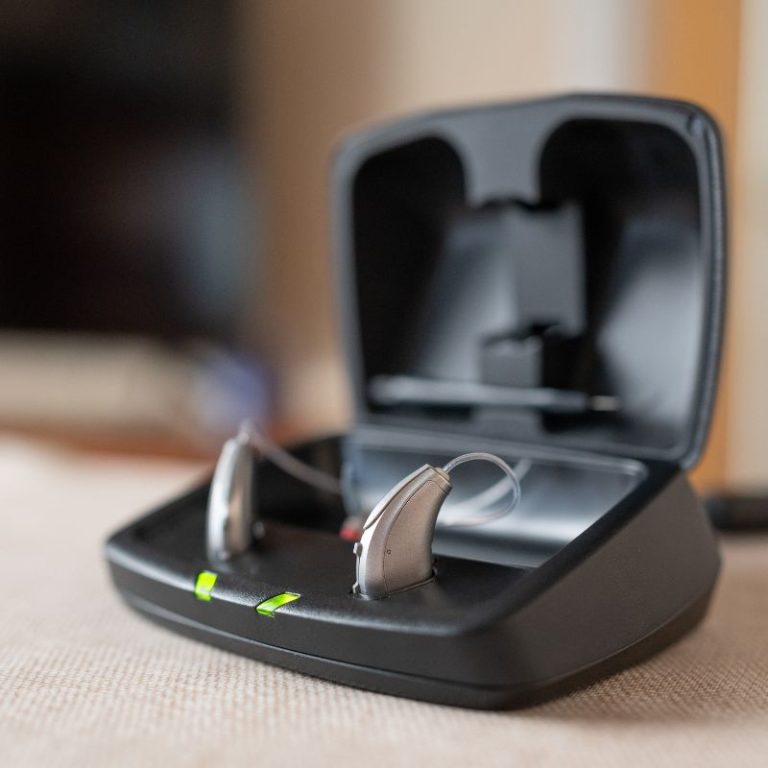
A compact storage case for a Receiver-in-Canal (RIC) hearing aid, opened to show its interior.

Caring for your hearing aids in hot weather

  • Wipe your hearing aids with a clean, dry cloth at the end of each day to remove sweat and moisture.
  • Store them in a cool, dry place overnight and never leave them in direct sunlight or inside a hot car.
  • Use a hearing aid drying pot or electronic dehumidifier if you’re spending long periods outdoors or perspiring more than usual.
  • Remove your hearing aids before swimming or showering unless your hearing care professional has advised otherwise.
  • Check your hearing aids regularly for signs of moisture or wax build-up, which can affect sound quality.

Keeping your hearing aids clean and dry not only helps them perform at their best but can also prolong their lifespan and reduce the risk of unnecessary repairs.

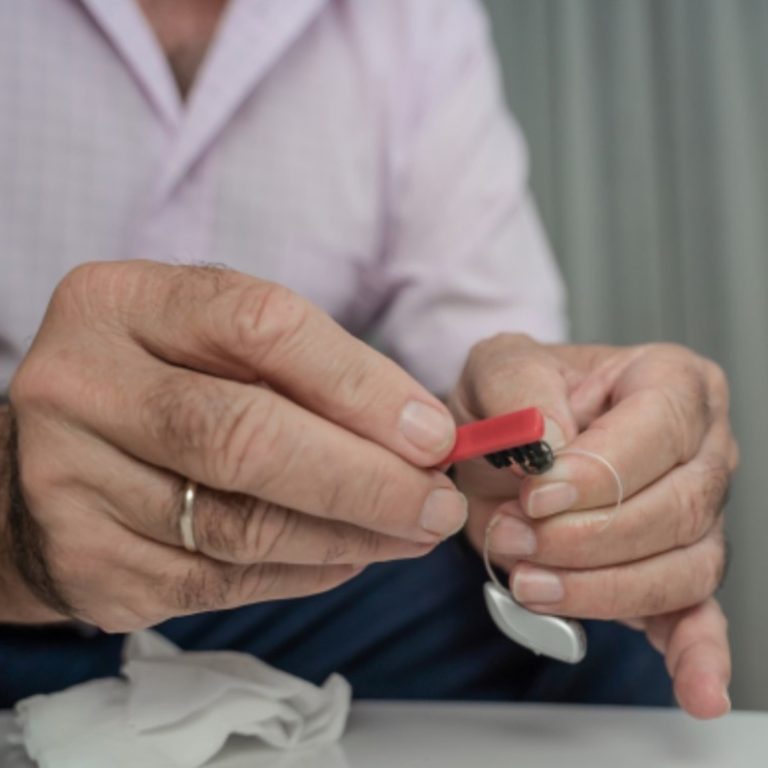
Man cleaning a hearing aid with a brush.

Need help with hearing aid maintenance?

If you’re unsure how to clean your hearing aids properly or you’ve noticed a change in their performance, we’re here to help. Your local hearing specialist can demonstrate the best way to clean and care for your hearing aids, so you can continue enjoying clear, comfortable hearing all summer long. You can also read our guide on how to clean hearing aids for step-by-step advice at home.

Top tip: Summer is a great time to refresh your hearing aid care routine. Clean your hearing aids regularly, replace wax guards and domes when needed, and follow the cleaning advice provided by your hearing care professional.

Protect your hearing at summer events

Heatwaves often encourage us to spend more time outdoors, whether that’s at music festivals, open-air concerts, sporting events or community celebrations. While these occasions are a great way to enjoy the summer, they can also expose your ears to loud noise for long periods.

Repeated or prolonged exposure to loud sounds can damage the delicate hair cells inside the inner ear, increasing the risk of permanent noise-induced hearing loss and tinnitus.

Energetic crowd enjoying live music at a festival during sunset

You can still enjoy every moment while protecting your hearing by:

  • Wearing custom or high-fidelity hearing protection at loud events.
  • Taking regular breaks away from speakers and noisy areas.
  • Keeping a sensible distance from the stage where possible.
  • Giving your ears time to recover after prolonged exposure to loud sound.

Protecting your hearing today can help you continue enjoying live music, sporting events and summer celebrations for many years to come.

Top tip: If your ears are ringing or your hearing sounds muffled after a concert or festival, it’s a sign the noise was too loud. Although this often improves within a day or two, repeated exposure can cause permanent hearing damage.

Keep your ears healthy this summer

A few simple habits can go a long way in protecting your hearing and ear health during the warmer months. By taking a little extra care during hot weather and heatwaves, you can reduce the risk of common summer ear problems and continue enjoying everything the season has to offer.

Remember to:

  • Stay well hydrated, especially during hot weather and heatwaves.
  • Gently dry your ears after swimming or water activities.
  • Protect your hearing at festivals, concerts and other loud events.
  • Keep your hearing aids clean, dry and stored correctly.
  • Seek professional advice if you think ear wax is affecting your hearing.

If you’ve noticed changes in your hearing, persistent tinnitus, blocked ears, ear discomfort or dizziness, it’s important to seek professional advice. A professional hearing assessment can help identify the cause of your symptoms and provide the right advice and support for your individual needs.

Book your hearing appointment

Whether you’re looking for a FREE hearing test, professional ear wax removal, advice about tinnitus, or support with your hearing aids, our experienced hearing specialists are here to help. Book an appointment today and enjoy a summer of healthy hearing.

Frequently asked questions about hot weather and hearing

Hot weather doesn’t usually damage your hearing directly, but it can affect your ear health in several ways. Heatwaves, dehydration, swimming, excess ear wax and prolonged exposure to loud summer events can all contribute to temporary hearing problems or make existing symptoms, such as tinnitus, more noticeable.

Looking after your ears during hot weather can help reduce the risk of these common summer issues.

Yes, for some people. Dehydration may make tinnitus symptoms, including ringing, buzzing or humming in the ears, feel more noticeable. While dehydration doesn’t cause tinnitus, staying well hydrated supports the healthy function of your inner ear and may help reduce the intensity of your symptoms, particularly during a heatwave.

Swimming doesn’t damage your hearing, but water trapped inside the ear canal can increase the risk of an outer ear infection, commonly known as swimmer’s ear. Symptoms may include ear pain, itching, blocked ears, temporary hearing loss or discharge. Gently drying your ears after swimming can help reduce the risk.

Not directly. Hot weather and humidity don’t cause your ears to produce more ear wax, but they can soften existing wax, making it more likely to move and block the ear canal. This may lead to blocked ears, muffled hearing, tinnitus or dizziness.

If you think ear wax is affecting your hearing, seek professional advice rather than trying to remove it yourself.

Excessive heat, humidity and perspiration can affect hearing aid performance over time. Moisture may interfere with sound quality and reduce the lifespan of your devices if they’re not cared for properly. Keep your hearing aids clean and dry, avoid leaving them in direct sunlight or hot cars, and use a drying pot or dehumidifier if recommended.

Protecting your hearing during summer is simple. Stay hydrated, gently dry your ears after swimming, avoid using cotton buds, wear hearing protection at concerts and festivals, and take good care of your hearing aids. These simple steps can help keep your ears healthy throughout the warmer months.

If you’ve noticed changes in your hearing, persistent tinnitus, blocked ears, dizziness or you’re asking people to repeat themselves more often, it’s worth booking a hearing test. Identifying hearing changes early means you can receive the right advice, treatment or ongoing support sooner, helping you continue hearing with confidence.

Sources

[1] Wadhwa, S., Jain, S., & Patil, N. (2024). The Role of Diet and Lifestyle in the Tinnitus Management: A Comprehensive Review. Cureus, 16(4), e59344. https://doi.org/10.7759/cureus.59344