Best Hearing Aids For Seniors

Katy Waterman, audiologist and mentor at The Hearing Care Partnership. Katy Waterman  |  Published 17 June 2026  | 9 mins read

A woman wearing a hearing aid and looking herself in a miror.

Finding the best hearing aids for seniors is about more than choosing the smallest device or the latest technology. The right hearing aids should feel comfortable, suit your lifestyle and help you continue enjoying everyday conversations and moments with confidence.

For many older adults, hearing aids can make a meaningful difference to communication, confidence and overall quality of life. The good news is that modern hearing aids for elderly people are more advanced, discreet and comfortable than ever before. Whether you are researching hearing aids for yourself or helping an elderly relative explore their options, understanding the different styles, features and support available can help make the decision feel much clearer.

Read on to learn more about the best hearing aids for elderly people in the UK.

The Importance of hearing aids for the elderly

Hearing loss can affect much more than hearing volume alone. For many seniors, it can gradually begin affecting communication, confidence and social connection in everyday life.

Many older adults find themselves avoiding busy restaurants, struggling to follow conversations with family or feeling more tired after social situations because listening becomes harder work. Over time, this can sometimes lead to frustration or isolation.

Hearing aids for seniors are designed to help make listening feel clearer, more comfortable and less tiring. For many people, hearing more clearly also means feeling more connected and involved in everyday moments again.

Modern hearing aids are also very different from the larger devices many people remember from years ago. Today’s hearing technology can automatically adjust to different listening environments, reduce background noise and help conversations feel clearer in both quiet and busy settings. Modern devices are also smaller, lighter and more discreet than older hearing aids, helping them feel more natural and comfortable during daily wear.

With the right fitting, support and aftercare, hearing aids can help older adults maintain independence, confidence and quality of life.

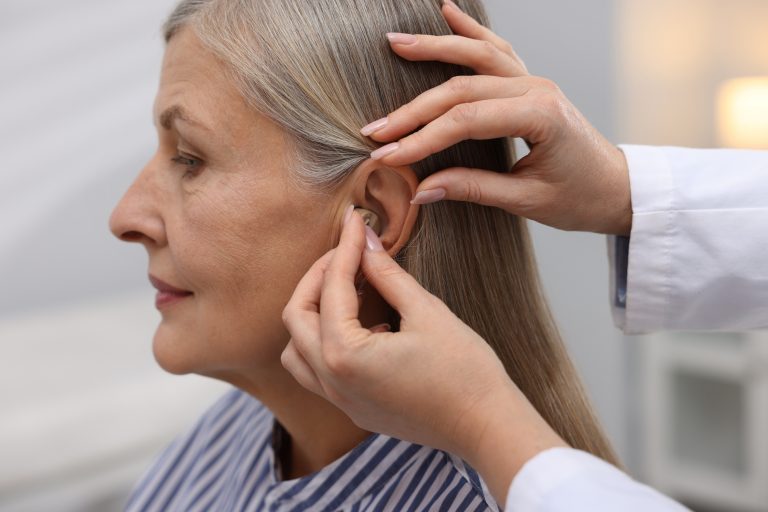
An elderly woman having a hearing aid fitted.

Choosing the right hearing aids

There is no single hearing aid that suits everyone. The best hearing aid for elderly adults depends on individual hearing needs, lifestyle, comfort preferences and ease of use.

Some seniors may prioritise simple controls and easy handling, while others may prefer discreet hearing aids or advanced features such as Bluetooth connectivity and rechargeable batteries.

It can also take time to adjust to hearing aids at first, especially if certain sounds have not been heard clearly for a long time. This is completely normal, and ongoing support from an audiologist can help make the transition feel much easier and more comfortable.

1. Cost & budget

Hearing aid prices can vary depending on the technology level, features and style chosen. Some hearing aids provide essential everyday support, while others include more advanced features such as intelligent background noise reduction, smartphone connectivity and rechargeable technology.

When considering hearing aids for pensioners or older adults, it can help to think about:

  • The level of hearing support needed
  • Rechargeable or battery-powered options
  • Lifestyle and listening environments
  • Ongoing aftercare and servicing
  • Comfort and ease of use

Many private hearing care providers also offer flexible payment options to help spread the cost.

At The Hearing Care Partnership, we offer a simple 10-month interest-free payment plan, along with longer-term finance options designed to help spread the cost comfortably.

Understanding the full picture of hearing aid pricing, including aftercare and support, can help you feel more confident when making a decision.

Can pensioners get free hearing aids on NHS?

Yes. In the UK, NHS hearing aids are available free of charge for eligible patients, including pensioners, following an NHS hearing assessment.

NHS hearing aids can provide valuable support for many people. However, some patients choose private hearing care for access to a wider range of hearing aid styles, smaller designs, additional technology features, shorter waiting times and more personalised aftercare services.

If you are researching whether hearing aids are free for pensioners, comparing both NHS and private hearing care options can help you decide what feels most suitable for your needs and lifestyle.
2. Lifestyle

Lifestyle plays an important role when choosing hearing aids for seniors.

Someone who regularly attends social events, enjoys dining out or spends time in busy environments may benefit from hearing aids with advanced speech clarity and background noise management.

For older adults with quieter routines, simpler hearing aid technology may still provide excellent support for conversations, television viewing and day-to-day listening. Some features many seniors find particularly helpful include:

  • Bluetooth connectivity for phone calls and audio streaming
  • Rechargeable batteries for easier day-to-day use
  • Automatic sound adjustments between environments
  • TV streaming compatibility
  • Smartphone apps for easier control

The best hearing aids for elderly people are usually the ones that fit naturally into daily life and feel easy to manage consistently.

3. Dexterity

Ease of handling can be especially important for seniors with arthritis, reduced dexterity or vision concerns.

Some hearing aids are easier to insert, clean and adjust than others. Slightly larger devices may feel simpler to handle, while rechargeable hearing aids remove the need for regular battery changes altogether.

An audiologist can help recommend hearing aids that feel practical, comfortable and manageable for everyday use.

4. Discreetness

Many older adults are surprised by how discreet modern hearing aids can be.

Some styles sit neatly behind the ear using very slim tubing or a thin wire, while others fit partly or fully inside the ear canal for a more subtle appearance.

Mini hearing aids are also available, including mini BTE and mini RIC hearing aids, which are designed to feel lightweight, comfortable and less noticeable during daily wear.

For many seniors, discreet hearing aids provide reassurance while still delivering excellent sound quality and reliable hearing support.

What are the different types of hearing aids available for seniors?

There are several different types of hearing aids available, each designed to suit different hearing needs, lifestyles and comfort preferences.

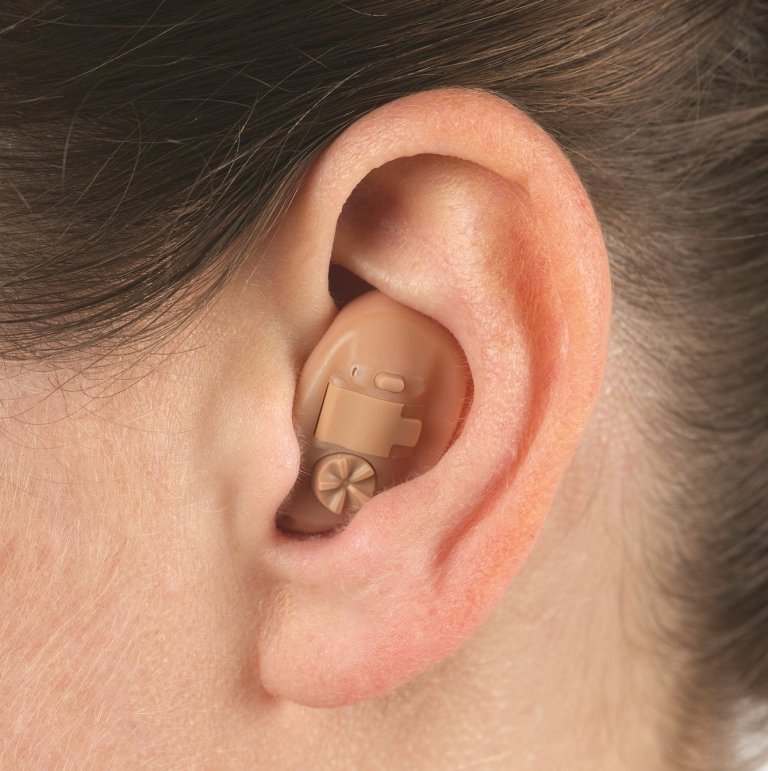
Close-up on a person's ear wearing an in-the-ear (ITE) hearing aid.

In-the-ear (ITE) hearing aids

ITE hearing aids are custom-made to fit comfortably within the outer part of the ear.

Because they are slightly larger than some smaller in-ear styles, many seniors find them easier to handle and insert. This can make them a good option for older adults with dexterity or vision concerns.

ITE hearing aids may also include features such as rechargeable technology, wireless connectivity and simple volume controls. They are suitable for many mild to severe hearing losses and provide a balance between comfort, visibility and ease of use.

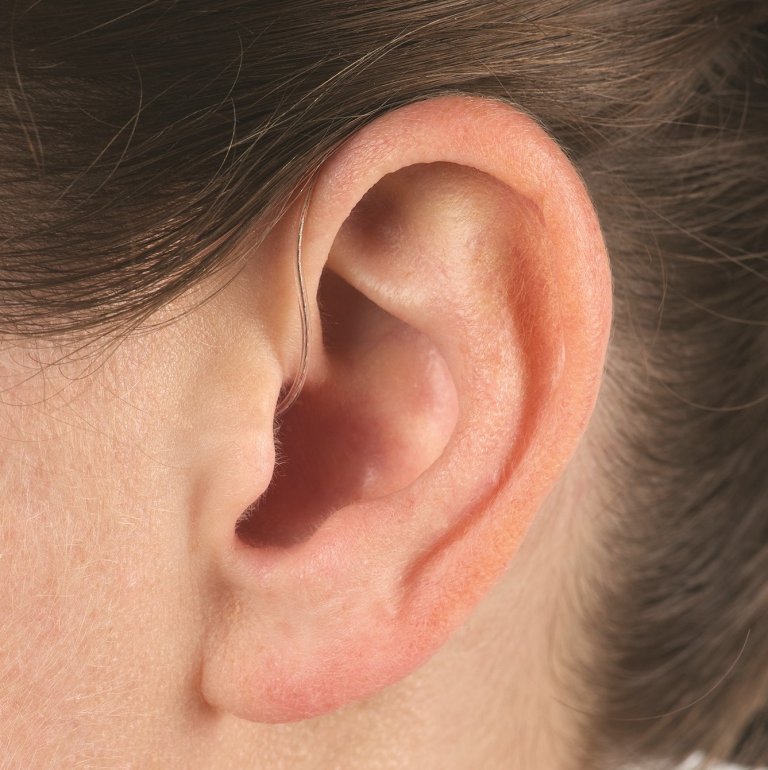
Close-up on a person's ear wearing a receiver-in-canal (RIC) hearing aid.

Receiver-in-canal (RIC) hearing aids

RIC hearing aids are a popular modern style that sit discreetly behind the ear, connected to a small speaker inside the ear canal by a thin wire.

Many seniors find RIC hearing aids comfortable because they are lightweight, discreet and designed to provide natural sound quality. The speaker sitting closer to the eardrum can also help speech sound clearer and more natural in everyday listening situations.

RIC hearing aids are suitable for many levels of hearing loss and often include advanced features such as rechargeable batteries, Bluetooth connectivity and intelligent background noise reduction.

Mini RIC hearing aids are also available for people looking for an even more discreet option while still benefiting from modern hearing technology and everyday comfort.

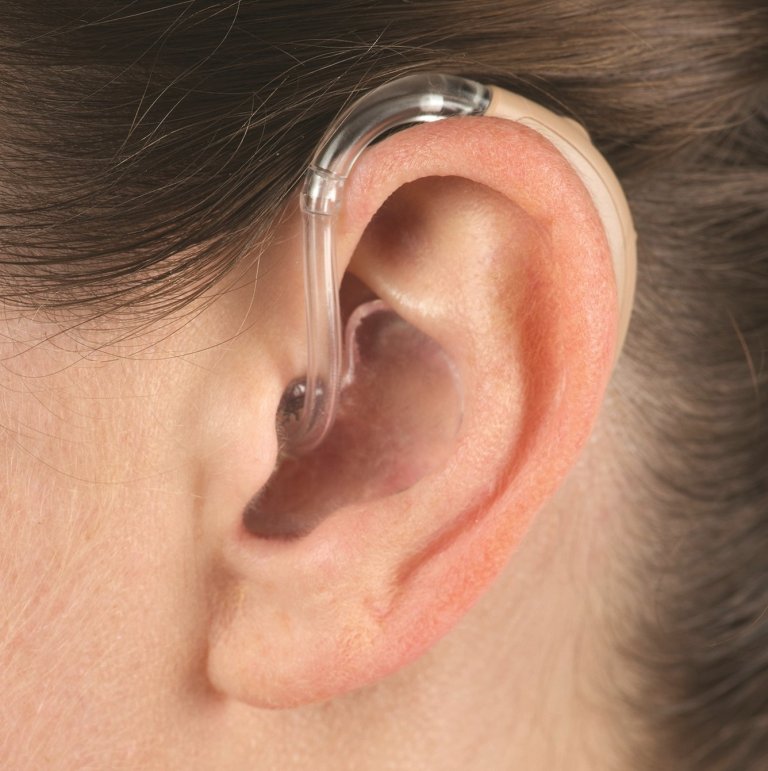
Close-up on a person's ear wearing a behind-the-ear (BTE) hearing aid.

Behind-the-ear (BTE) hearing aids

BTE hearing aids sit behind the ear and connect to a small earmould or speaker inside the ear canal.

They are one of the most practical and versatile hearing aid styles available and are often recommended for seniors due to their comfort, durability and ease of handling.

BTE hearing aids are suitable for a wide range of hearing losses and can include advanced features such as rechargeable batteries, Bluetooth streaming and automatic listening adjustments.

Mini BTE hearing aids are also available for people who prefer a more discreet design without compromising performance or ease of use.

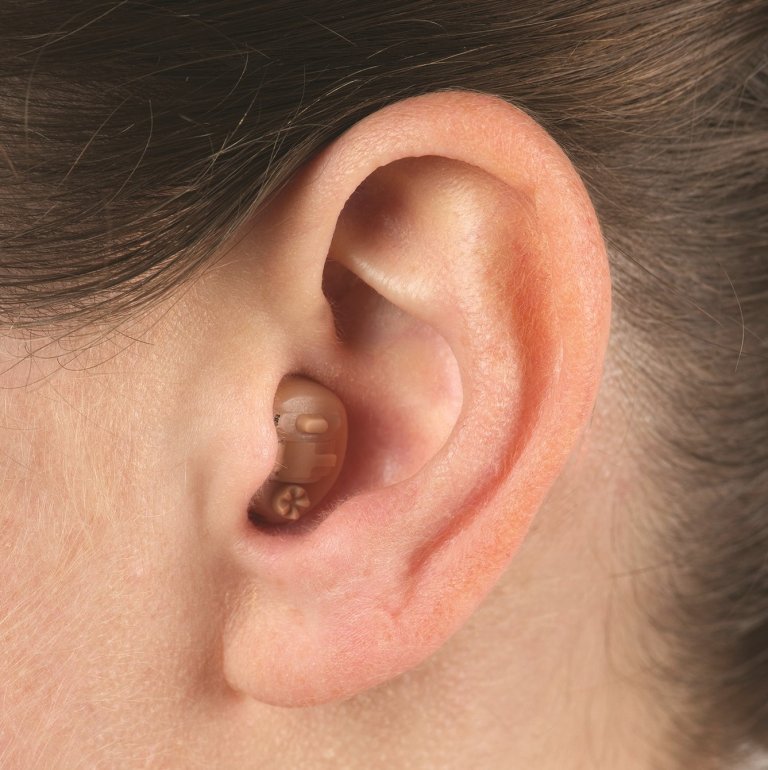
Close-up on a person's ear wearing an in-the-canal (ITC) hearing aid.

In-the-canal (ITC) hearing aids

ITC hearing aids fit partly inside the ear canal, making them smaller and more discreet than ITE devices.

They are often chosen by people looking for a balance between subtle appearance and everyday functionality. However, due to their smaller size, they may feel slightly more difficult to handle for some seniors.

ITC hearing aids are typically suitable for mild to moderate hearing loss.

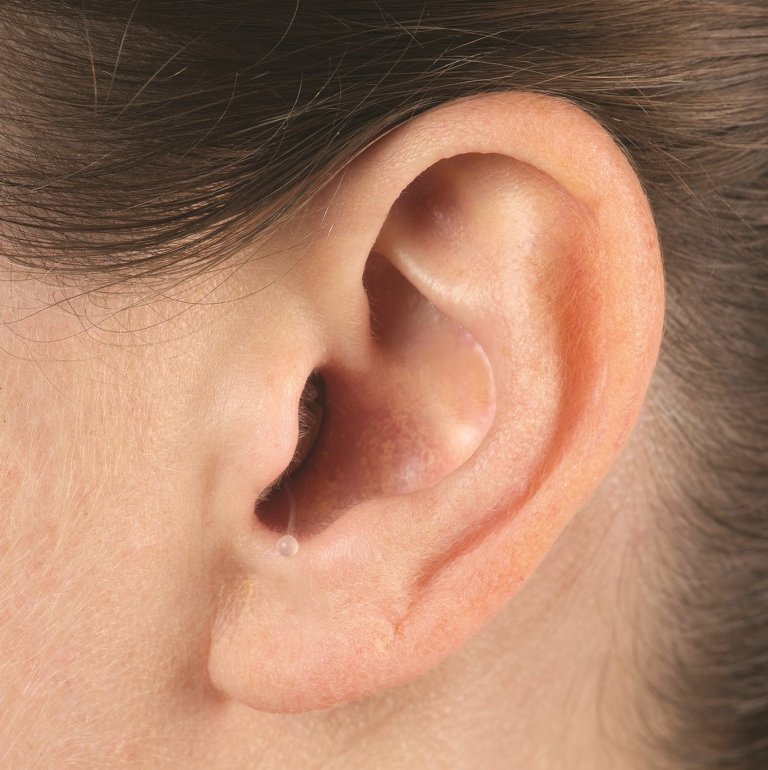
Close-up on a person's ear wearing an invisible-in-canal (IIC) hearing aid.

Invisible-in-canal (IIC) hearing aids

IIC hearing aids sit deeply inside the ear canal, making them one of the most discreet hearing aid options available.

They are often chosen by people who prioritise minimal visibility. However, because of their small size, they may not always be the most practical option for seniors with dexterity concerns or more significant hearing loss.

An audiologist can help determine whether IIC hearing aids are suitable based on your hearing needs, ear shape and lifestyle.

What is the most comfortable hearing aid to wear?

Comfort can vary from person to person, which means there is no single hearing aid style that feels best for everyone.

For many seniors, behind-the-ear (BTE) and receiver-in-canal (RIC) hearing aids are often considered among the most comfortable options because they are lightweight, easy to handle and suitable for longer daily wear.

Others may prefer in-the-ear styles because they feel more discreet or secure.

The most comfortable hearing aid is usually the one that fits properly, suits your hearing needs and feels natural within your daily routine. Professional fitting and ongoing aftercare can also make a significant difference to long-term comfort and listening confidence.

How do I know which hearing aid is right for me (or my elderly relative)?

Choosing the best hearing aid for seniors is a personal decision based on hearing needs, comfort, lifestyle, dexterity and budget. What works well for one person may not feel suitable for another.

The best way to find the right hearing aid is through professional advice and a personalised hearing assessment. An audiologist can help explain the available options, recommend suitable technology and ensure hearing aids are fitted comfortably around individual needs and preferences.

At The Hearing Care Partnership, we take time to understand how hearing loss is affecting everyday life before recommending hearing solutions tailored to you. We also provide ongoing aftercare and support to help hearing aids continue feeling comfortable and effective over time.

The right hearing aids should help older adults feel more connected, confident and comfortable in everyday life.

You can also explore our hearing aid prices and flexible hearing aid finance options to better understand the support available.