How to listen to music safely and protect your hearing

Published 20 January 2021  | Updated 03 March 2026  | 3 mins read

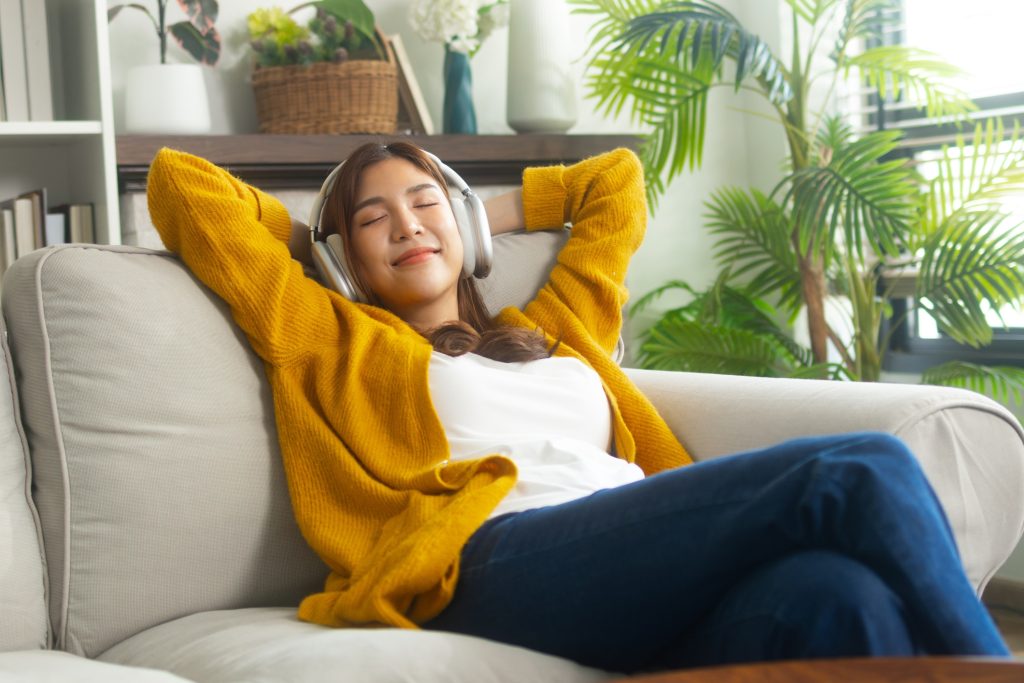
Young woman listening to music sitting on her sofa.

Whether it’s your favourite album, a much-loved radio show or your go-to Spotify playlist, music is part of everyday life. But listening at high volumes for long periods can slowly damage your hearing.

Inside your inner ear are thousands of tiny hair cells. These delicate cells help convert sound into signals your brain can understand. Once they become damaged through excessive noise exposure, they don’t regenerate, which is why protecting your hearing is so important.

The good news is that a few simple habits can help you enjoy music while keeping your hearing safe.
Listening with headphones

Most smartphones and personal music players include built-in volume limits, but they can still reach levels that may damage hearing if used for long periods.

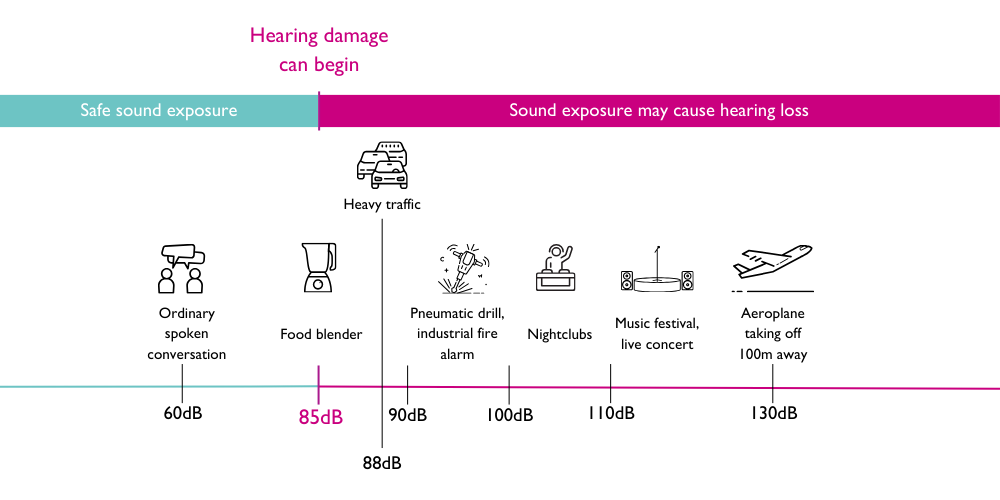
In many devices, the recommended safe listening level is around 85 decibels, which is considered safe for up to 8 hours of listening. However, if the volume is increased to 100 dB, safe listening time drops dramatically to around 15 minutes.

Chart about sounds.

How to listen safely with headphones

1. Use the volume limit setting
Most phones allow you to set a maximum volume level. Keeping this around 60% of the full volume can help protect your hearing.

2. Take listening breaks
Giving your ears regular breaks helps them recover. Limiting headphone use to shorter sessions can significantly reduce the risk of long-term hearing damage.

3. Consider noise-cancelling headphones
Noise-cancelling headphones reduce background noise, meaning you can listen comfortably at lower volumes.

Noise-cancelling headphones explained

There are two main types of noise-cancelling headphones.

Passive noise reduction
Passive headphones block sound physically by creating a seal around or inside the ear, similar to earplugs. This helps reduce background noise such as traffic or office chatter.

Active noise cancellation (ANC)
Active noise-cancelling headphones use built-in microphones to detect surrounding sounds and produce an opposite sound wave to reduce the noise you hear. This technology is particularly useful when travelling or in consistently noisy environments, helping you listen more comfortably without increasing the volume.

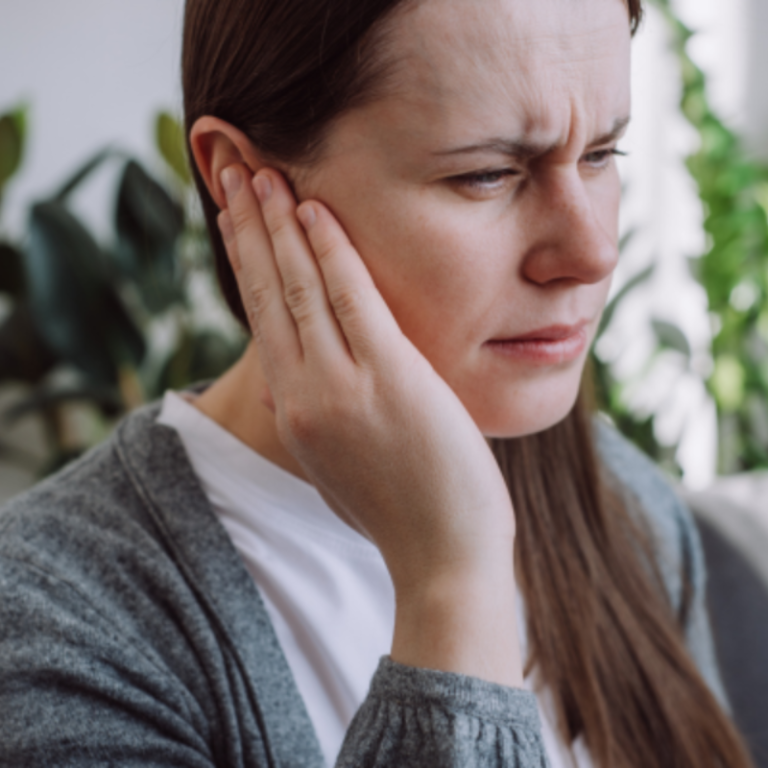
A woman appears to be in pain, touching her ear.

Listen to what your ears are telling you

If you notice a blocked feeling, muffled hearing, or ringing or hissing sounds after listening to loud music, your ears may be signalling that they’ve been exposed to too much noise.

This temporary change in hearing can recover, but repeated exposure can lead to permanent hearing damage. Taking these signs seriously and reducing your exposure to loud sound can help protect your hearing long-term.

Learn more about hearing loss.

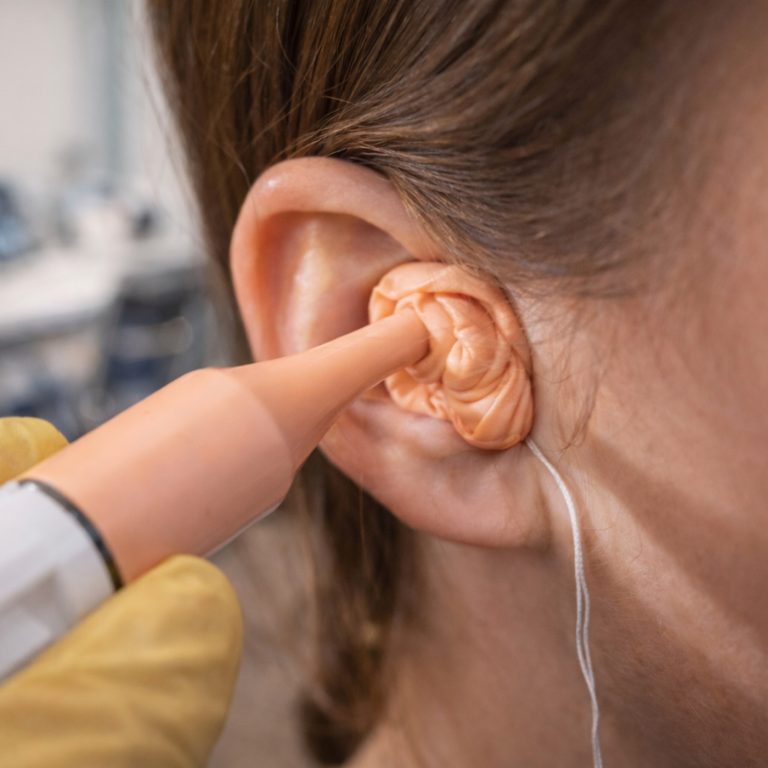
An audiologist takes an ear impression from a patient.

Protecting your hearing at live music events

Live music is one of life’s great experiences, but concerts and festivals can often reach sound levels that may damage hearing, particularly if you are close to the stage.

Wearing music earplugs is one of the most effective ways to protect your hearing without compromising the experience. Specially designed musician’s earplugs reduce the overall volume while preserving sound clarity, so you can still enjoy the music as it was intended.

At The Hearing Care Partnership, we offer a range of hearing protection options, including custom-made musician’s earplugs designed to provide comfortable, high-fidelity sound protection.

Concerned about your hearing?

If you’re worried that loud music or frequent headphone use may be affecting your hearing, we’re here to help.

Our audiologists can check your hearing and offer personalised advice on how to protect it in the future.

Book a free hearing test today and take the first step towards protecting your hearing for years to come.