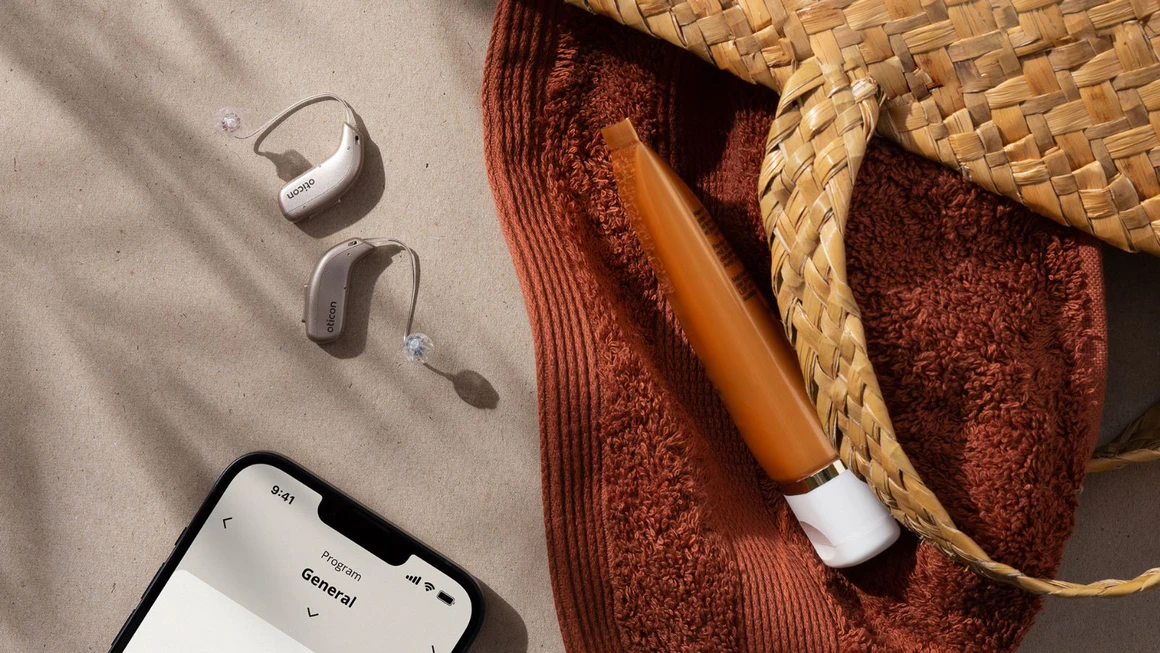
Hearing aids are an important piece of technology for those with hearing loss. But they can be a significant investment. It’s therefore important to understand how much they can cost and why.
There are several factors that can contribute to how much you may spend on a hearing aid. The price of your hearing aid will mostly be impacted by the technology, the level of benefit the hearing aid is able to provide, and any customised details can all contribute as well, so it’s important to explore these factors in detail to empower you to make an informed decision. Read on to learn more about hearing aid prices to help you choose the best option for your hearing health.
The Most Popular Hearing Aid Brands
When shopping around, you’ll notice that there are many brands offering hearing aids or hearing-related products. There are pros and cons to every brand but in general, you can’t go wrong with a group of brands that Audiologists refer to as “the Big Five”. These five brands currently command around 80% of the global market for hearing aids and are generally considered the most trusted on the market. As the hearing market expands, changes happen frequently, but Oticon, Starkey, Phonak, Widex, Signia and Resound are the most trusted and well-loved brands.
Factors Influencing Hearing Aid Prices
There are many factors that can influence the price of hearing aids so knowing exactly what is included when making a purchase is important. The technology of the aid itself, the style (on some occasions), the aftercare included, the warranty period, and other services can all contribute to the overall cost.
Technological Advancements
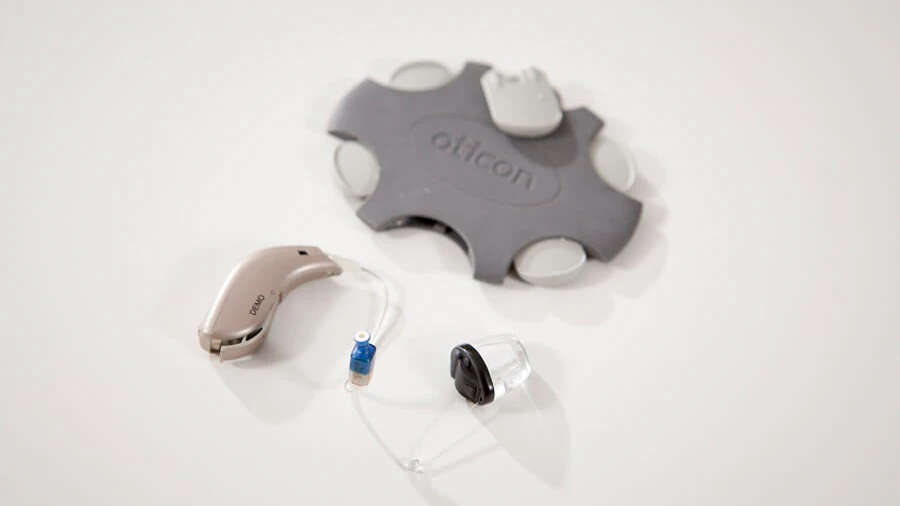
Hearing aids all contain the same essential parts – a microphone, an amplifier, a receiver (speaker) and a battery (disposable or rechargeable). However, technological advancements can differ between the models and affect the overall price.
Batteries
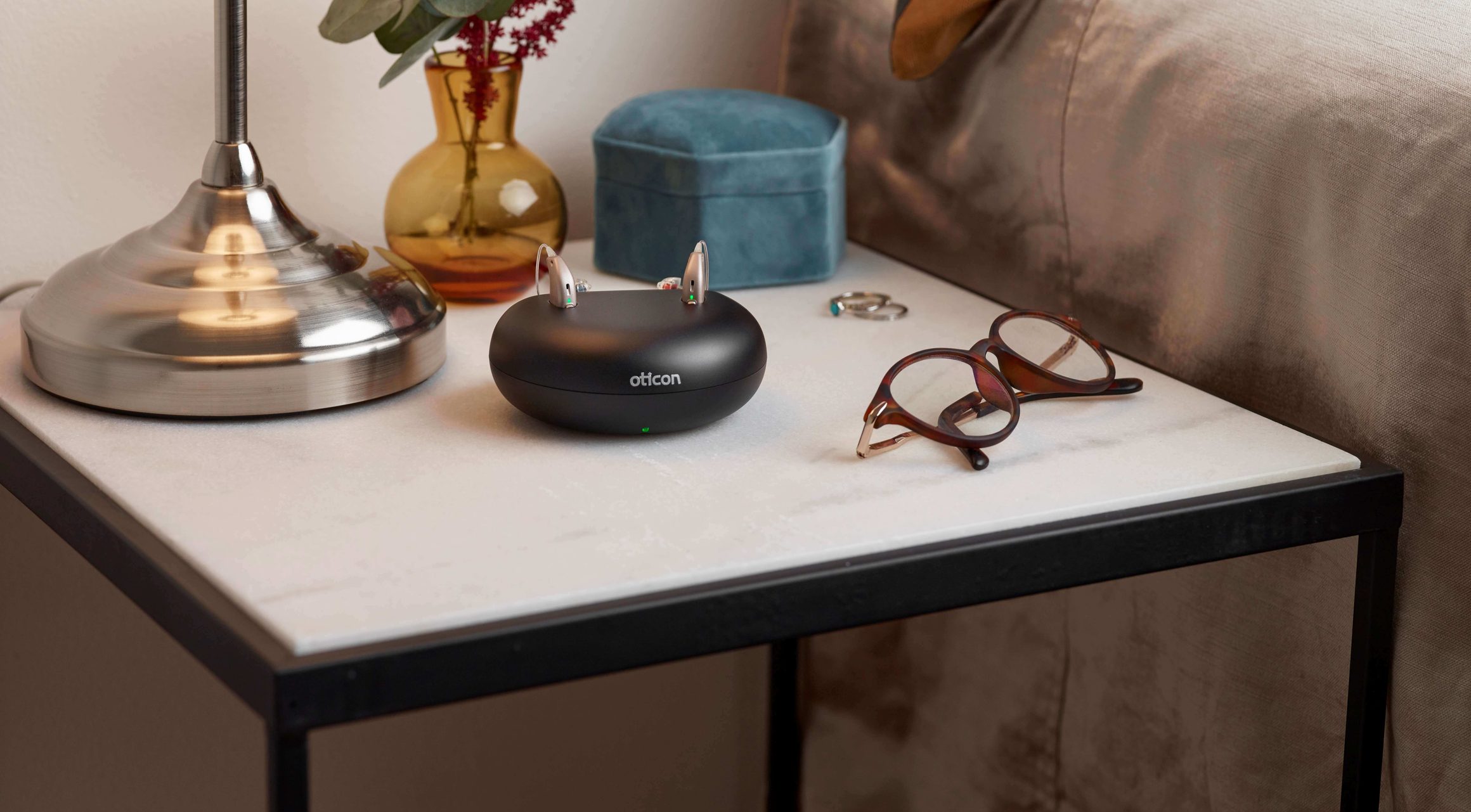
Traditionally, hearing aids relied solely on small single-use batteries. Because hearing aids are used for the majority of the day, these batteries can lose charge quickly. Therefore, some manufacturers have started offering rechargeable batteries, saving you time and money but also making the aids more eco-friendly by saving 150-200 batteries per year from being thrown away.
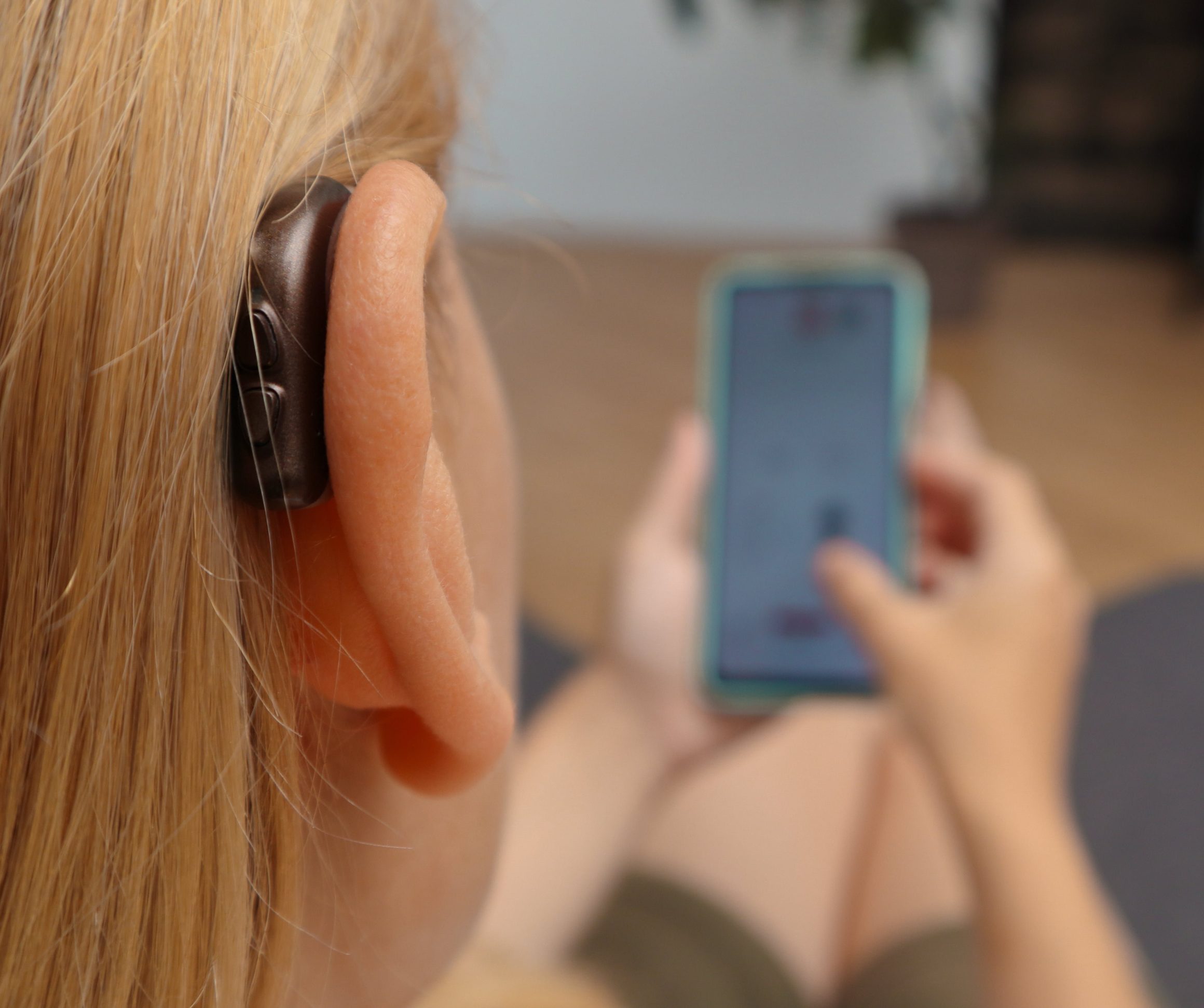
Controls
There has been a big advancement in the way users can control their hearing aids. With Bluetooth connectivity, you can customise settings via an app on your phone. This means it’s easier than ever to fine-tune your settings, saving you from having to make adjustments on the aids themselves – making it more discreet (no touching your ears) and giving better accessibility to those with dexterity limitations.
Some hearing aids also use AI and machine learning to help adapt them to individual needs and features like fitness tracking, heart rate monitors, and ‘find my hearing aid’ functions.

Speech in Noise
Speech in Noise describes a group of features that make it easier to pick out what you want to hear in busy environments. These settings include noise management, directionality (helping locate the direction sound is coming from), and adaptive microphones (automatically detect sound levels and adjust accordingly). This means you can put in less effort into trying to listen and it can help you feel less isolated in crowds or groups.
Design and Styles
Hearing aid styles can range from smaller, more discreet designs to larger models that are associated with the image of hearing aids that you might be used to.
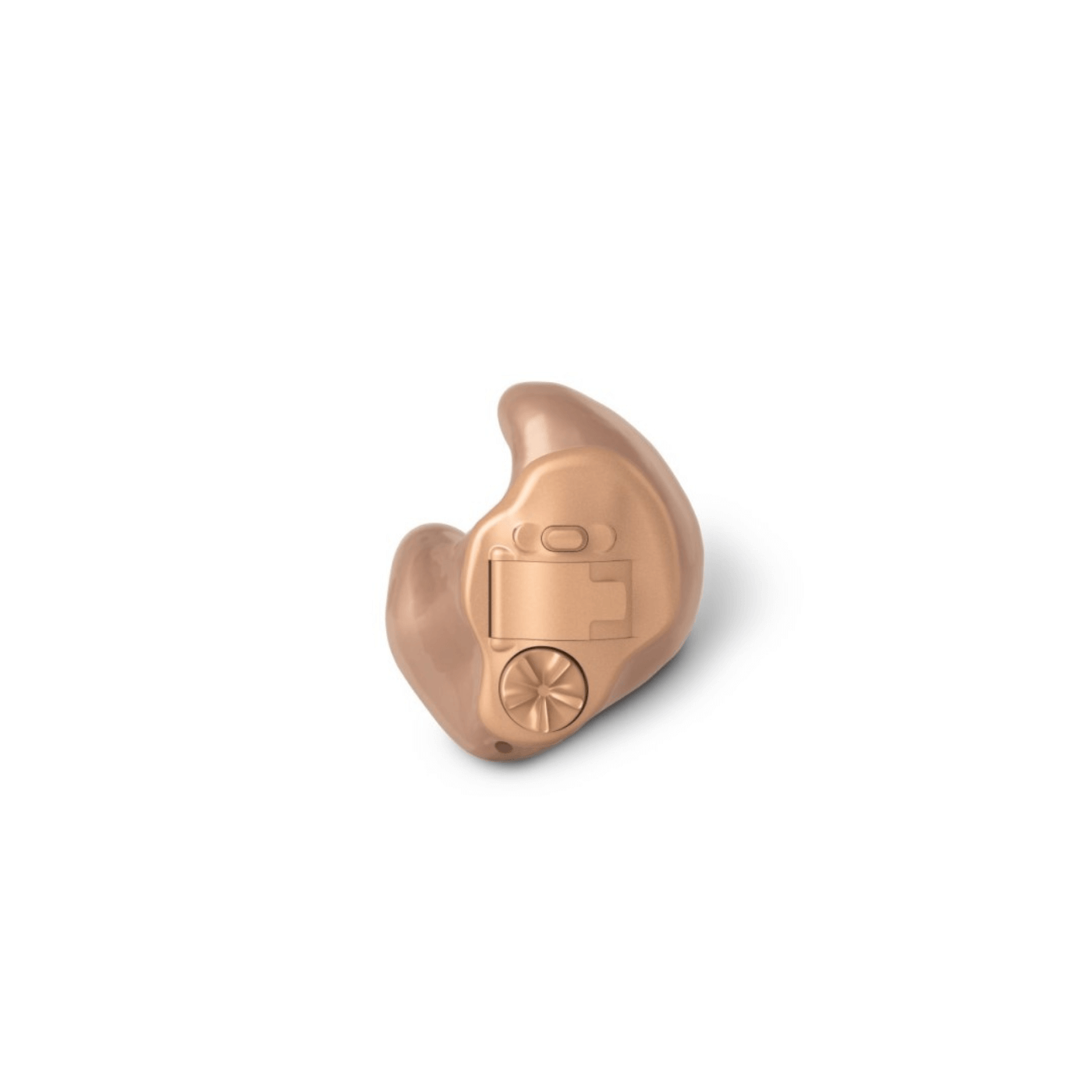
In-ear hearing aids (such as IIC, CIC and ITC models) are much more discreet and are custom-made to sit inside your ear – meaning they are almost invisible when you’re wearing them.
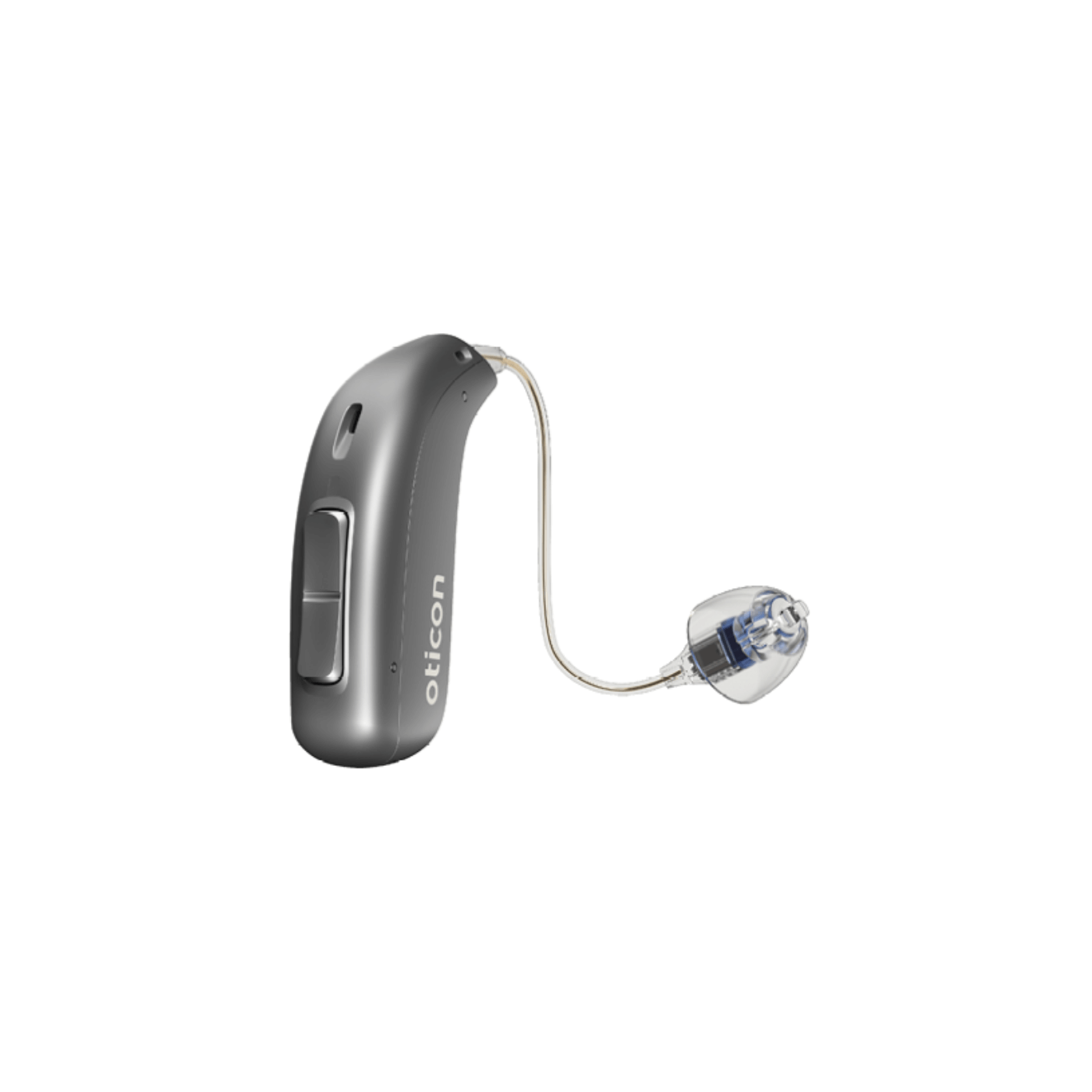
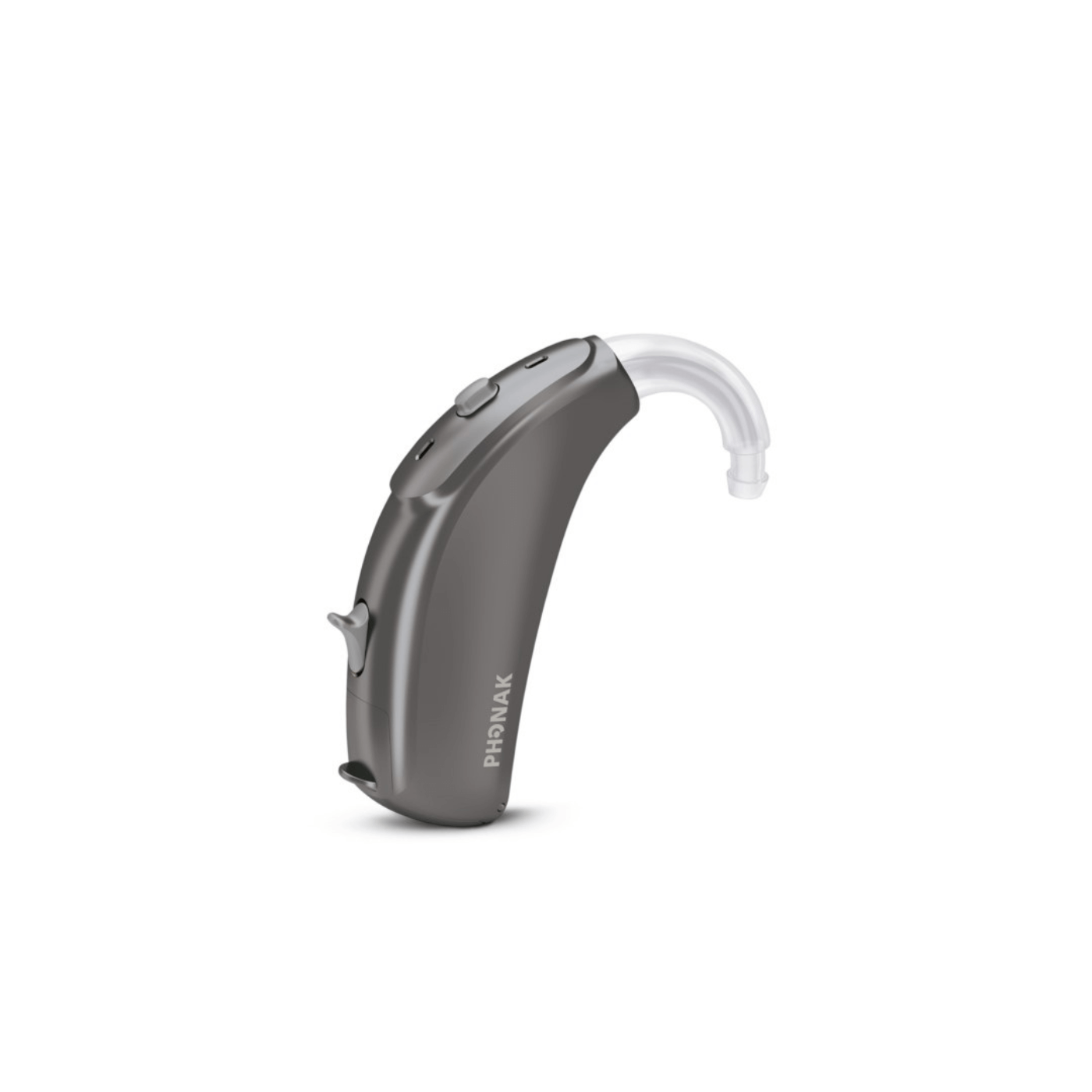
There are also larger models that are more traditionally associated with the phrase hearing aids. These are mostly Behind the Ear (BTE) and Receiver in Canal (RIC) models, where the main body of the hearing aid hooks behind the ear.
The most important factor that will decide which hearing aids you get is the suitability to your level of hearing impairment. Hearing aids are medical devices which come in different styles, all designed to best deal with different types of hearing loss.
Once you’ve narrowed down which types of hearing aids will best suit your hearing loss, you’ll be able to choose a suitable model based on your preferences and lifestyle to find the hearing aids you like the most.
Brand and Manufacturer
Hearing aid brands set their prices based on various criteria. The degree and quality of their research and development play a huge part in this. Their reputation and affiliation with others can also contribute to cost – some of the more well-known and trusted brands can demand a higher price point because of this.
To sum it up, the more well-known and respected a brand is, the more they can charge for their products. The benefit of this is they are able to invest more in product development, to provide higher quality hearing solutions for patients which are durable.
Types of Hearing Aids and Their Costs
Invisible in Canal (IIC)
The smallest hearing aid available on the market. Custom-fit to the ear canal and completely invisible. This type of hearing aid is not suitable for everyone, and it can depend on the level of hearing loss, the size and shape of the ear canal, and what features are desired. Even though it sits in the ear canal, discreetly creating a great cosmetically desirable option, it can also have its disadvantages. There is no Bluetooth connectivity available due to its size, there is no communication between two hearing aids, and they are not available in a rechargeable option (battery life can be also very short). You might have wax and moisture issues with this style of hearing aid. Additionally, they can also be difficult to adjust as they don’t have a directional microphone that works to maximise Speech in Noise understanding.
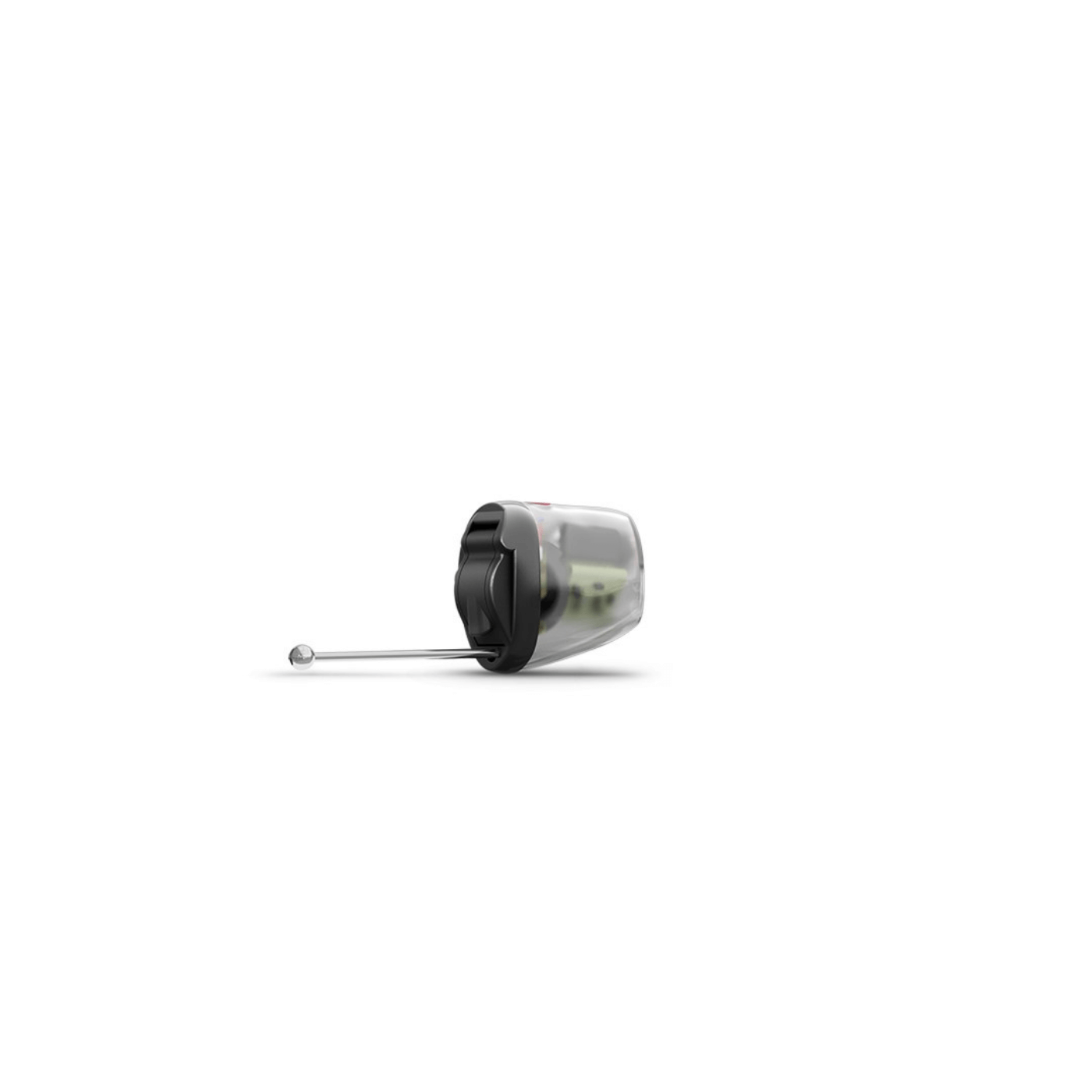
Completely in Canal (CIC)
One of the smallest hearing aids, custom-made to the ear canal and fitting completely in the canal. Not entirely invisible, but is still a great, cosmetically appealing option for some. How small these are depends on the person’s canal shape and size. They’re not suitable for everyone for the same reasons as the IIC above.
This style of hearing aid can sometimes have directional microphones and Bluetooth capability, but this depends on the manufacturer and how the hearing aid is built. You might sometimes have the option to adjust the aid manually with the use of a button on the hearing aid itself. Like an IIC hearing aid, they can be susceptible to wax and moisture issues, and there are some non-custom-made options available with certain manufacturers as well (battery and rechargeable).
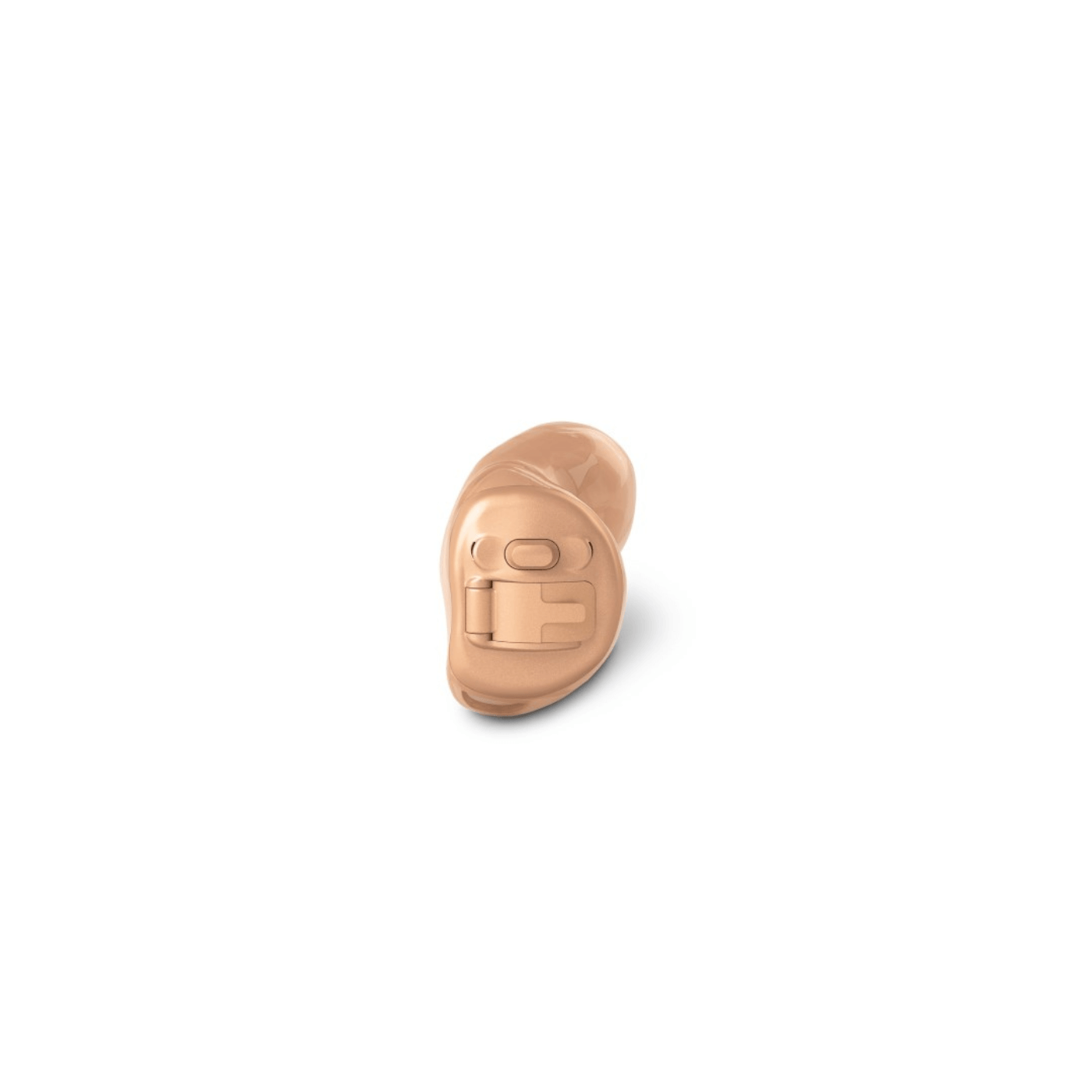
In the Canal (ITC)
A custom-fitted hearing aid that fills about half of the ear. Although they are slightly larger than Completely In Canal hearing aids, ITCs can handle poorer hearing losses as they are more powerful. They also benefit from the ability to have dual microphones, allowing for better localisation. However, this depends on the level of hearing loss and the shape of the ear, and this model is not suitable for everyone.
The larger size of these aids also means the battery life can be longer, and there is also the possibility for a rechargeable battery option depending on the manufacturer. Bluetooth can also be an option which means you have the ability to personalise your settings and connect your hearing aids to devices like tablets and phones, improving accessibility. Their size also means they can be easier to handle than the smaller custom made hearing aids – ideal for less-steady hands.
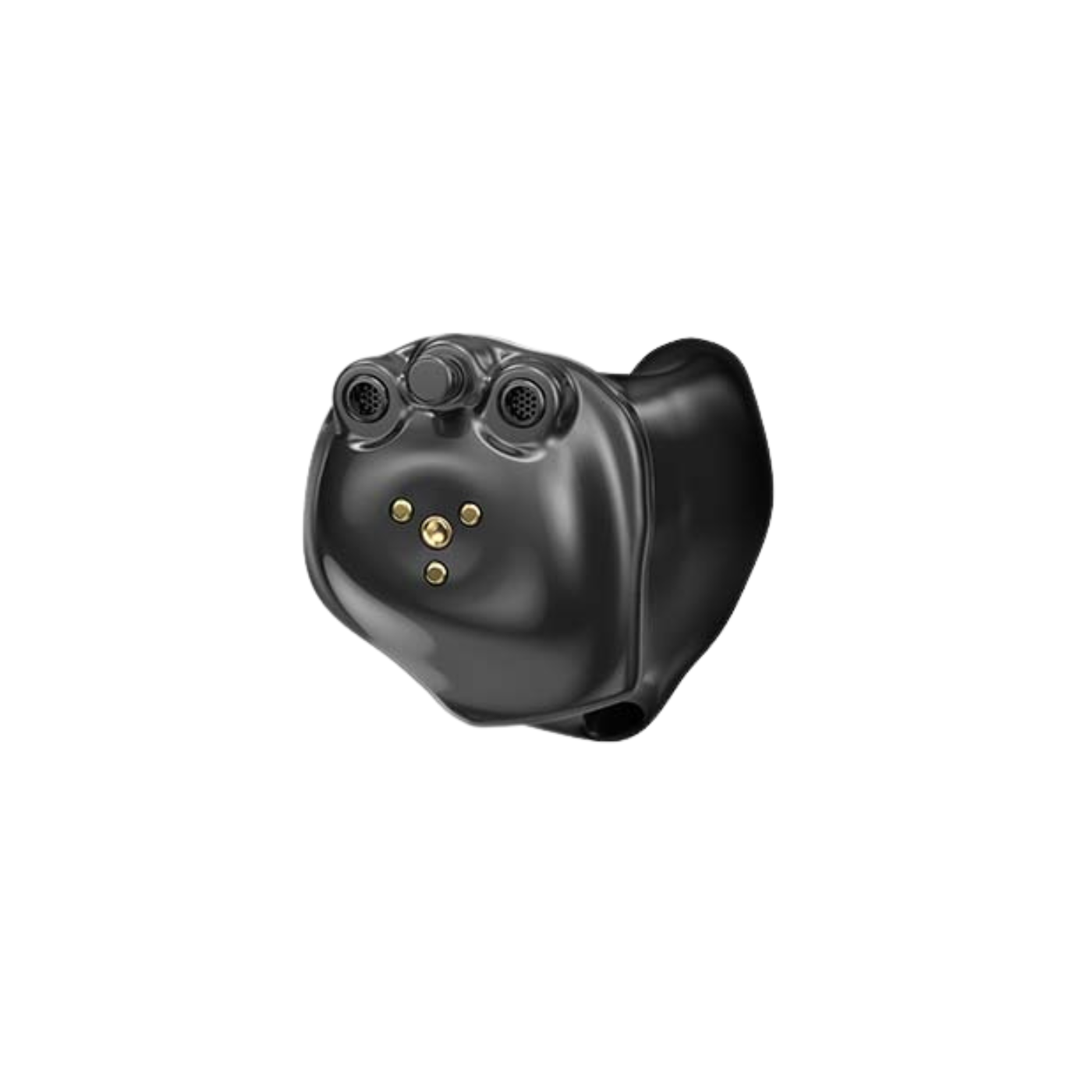
In the Ear (ITE)
Very similar features and personalisation to the ITC model but fills most of the ear. This means the aid is larger and therefore may be more suitable for people with dexterity limitations.
Receiver in Canal (RIC)
This style of hearing aid sits discreetly behind the ear and is connected by a thin wire to the speaker or receiver that sits inside your ear canal. RIC models are suitable for the majority of hearing loss types and ear shapes and are generally much more discreet than the standard Behind The Ear (BTE) hearing aid. They are available in rechargeable options and will have Bluetooth as standard. Some models also have a T coil (loop system). Depending on the level of technology, your RIC hearing aids will also have the most up-to-date features and functionality.
This is the most popular type of hearing aid when going private for the technological benefits mentioned above.
Behind the Ear (BTE)
This style sits behind the ear and is typically larger than the Receiver in Canal style. Instead of a receiver wire, there is a thin tube with a dome or a thicker tube with a mould on the end. These are generally suitable for the majority of hearing losses and ear shapes with different power levels available. Some manufacturers provide a rechargeable option but the batteries of this style last longer than in most of the other hearing aid designs. Even though BTE aids will also include the most up-to-date features and functionality, they’re not the most discreet option available.
As style does not influence pricing dramatically, the prices of all the above will generally be similar depending on technology. There may be some small differences depending on whether the aid is rechargeable or not.
What is included in the price of our hearing aids
Here at The Hearing Care Partnership, we don’t just sell hearing aids. We offer complete Hearing Care Packages that give you everything you need.
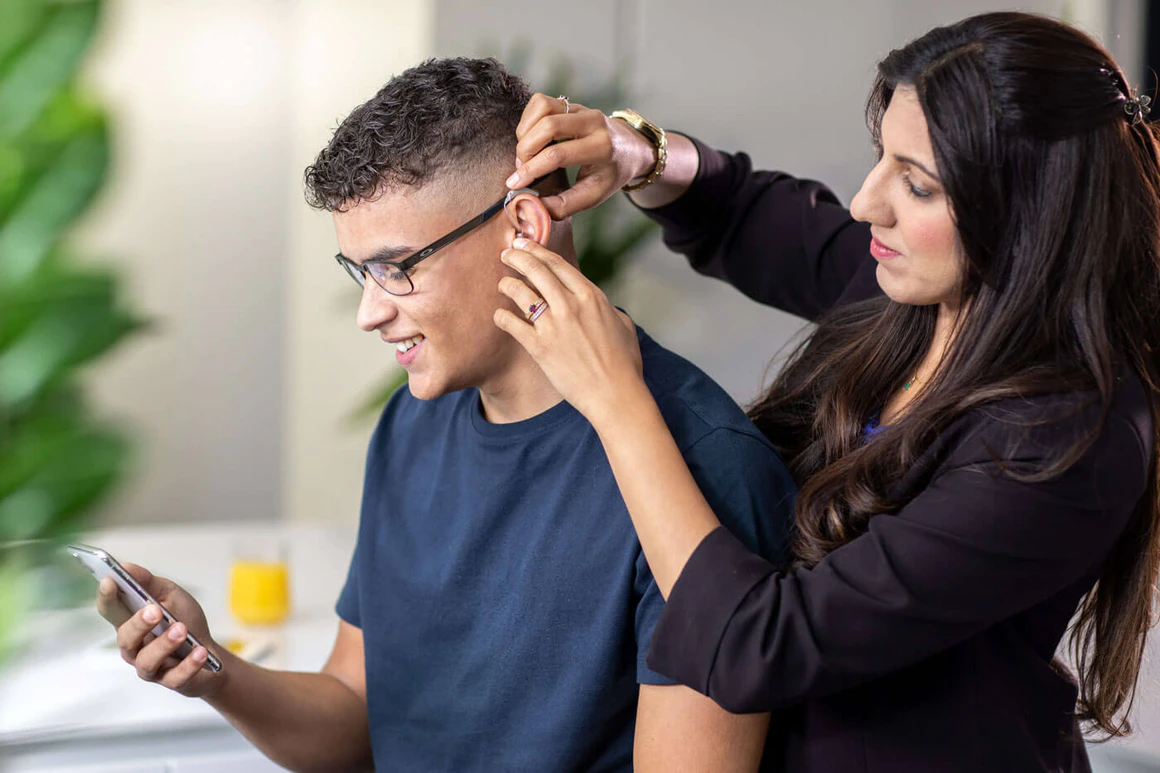
You will receive a Full Hearing Assessment with a variety of diagnostic tests carried out by our expert audiologists as well as a detailed discussion about your lifestyle and medical history. If you decide to purchase hearing aids through us, you will receive a full hearing care package. This includes unlimited aftercare, servicing every 6 months, complimentary follow-ups, annual hearing assessments to ensure we can help you maximise the benefits from the hearing aids, items for hearing aid maintenance (included with all packages), complimentary batteries and a warranty for up to 5 years, depending on the package chosen.
How to Save on Hearing Aid Costs
Payment Plans
Depending on the model of hearing aid you choose, as well as the type of package you select, buying a hearing aid can be a hefty investment. Because of this, we offer a variety of payment plans. Our Hear Now, Pay Later scheme means you can get on with your life while paying affordable instalments.
Conclusion
There are multiple factors that can affect the cost of your hearing aids which is why sitting down with an expert is vital for working out your exact needs, preferences, and customised features. Check out our prices and packages to help you find the perfect fit.